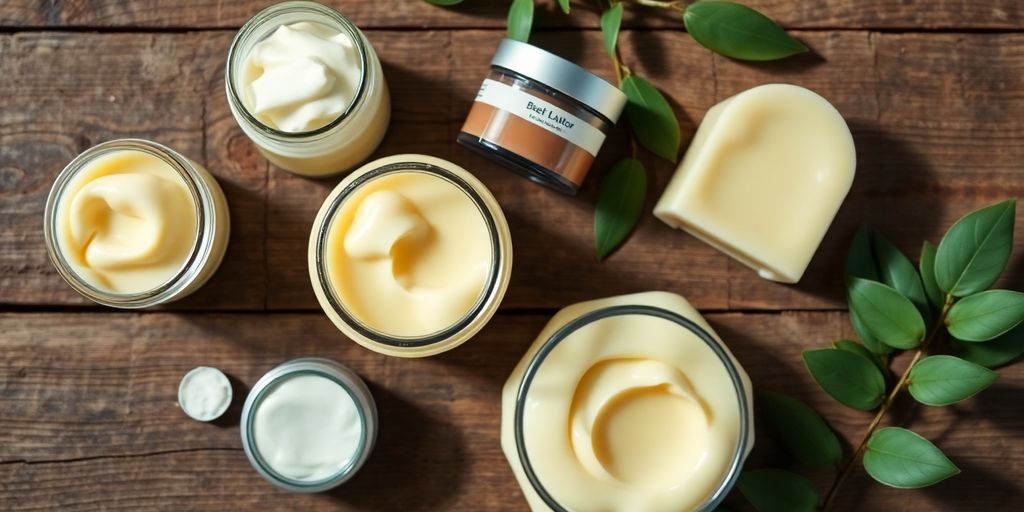
In recent months, TikTok has ignited a skincare revolution with the rise of beef tallow as a go-to beauty product. Users are touting its moisturizing properties and potential skin benefits, leading to a surge in interest and sales for small businesses specializing in tallow-based skincare. However, dermatologists are divided on its efficacy and safety.
Key Takeaways
TikTok users are promoting beef tallow as a miracle skincare product.
Many small businesses are capitalizing on this trend, creating tallow-based skincare lines.
Dermatologists express caution, citing potential risks and lack of scientific backing.
The TikTok Trend
The trend began with influencers showcasing beef tallow as a natural moisturizer, claiming it can treat various skin conditions such as acne, eczema, and dryness. Videos featuring before-and-after transformations have garnered millions of views, with users sharing their personal success stories.
The hashtag #BeefTallow has exploded, with over 17,000 creators discussing its benefits. Many claim that tallow, rich in fatty acids and vitamins, mimics the skin’s natural oils, making it an effective moisturizer. This has led to a growing market for tallow-based products, with some small businesses reporting significant sales increases.
Small Businesses Embracing the Trend
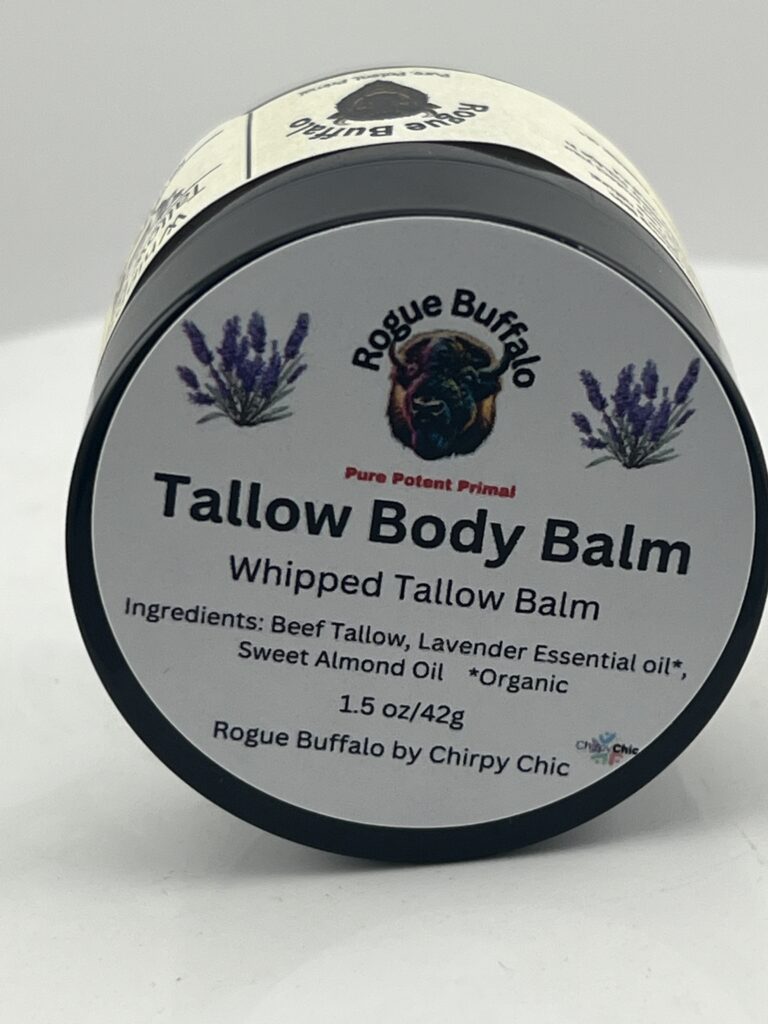
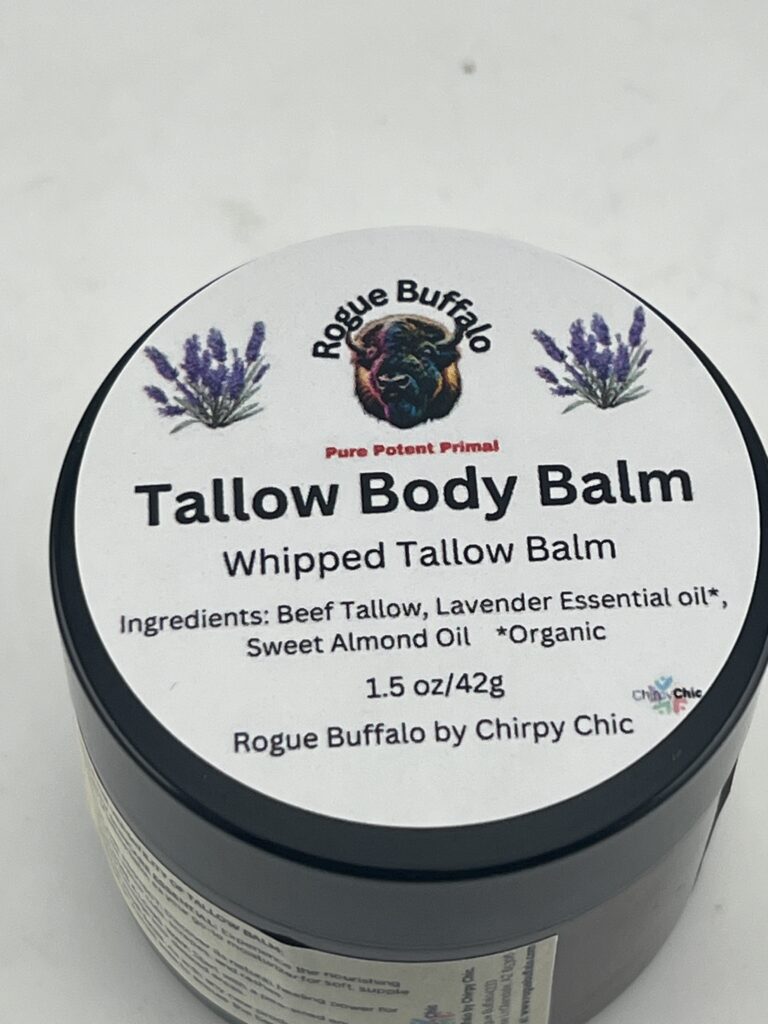
Several small businesses have emerged, focusing on tallow-based skincare products. For instance, brands like RogueBuffalo.com and Bison Bliss are crafting balms and creams using locally sourced tallow. These products are marketed as clean and natural alternatives to conventional skincare, appealing to consumers seeking holistic solutions.
Dermatologists Weigh In
Despite the buzz, dermatologists are cautious about the trend. Many experts warn that while beef tallow may provide some moisturizing benefits, it is not without risks. Concerns include:
Potential for Acne: Tallow is highly occlusive, which can clog pores and lead to breakouts, especially for those with oily or acne-prone skin.
Lack of Regulation: Beef tallow products are often unregulated, raising concerns about contamination and safety.
Limited Scientific Evidence: There is a lack of clinical studies supporting the claims made by tallow enthusiasts, leading many dermatologists to recommend more established skincare options.
Conclusion
The beef tallow trend on TikTok highlights the power of social media in shaping consumer behavior, particularly in the beauty industry. While many users report positive experiences, it is essential to approach this trend with caution. As always, individuals should consult with dermatologists before trying new skincare products, especially those that are not FDA-approved.
As the conversation around natural skincare continues, it remains to be seen whether beef tallow will maintain its popularity or fade as another fleeting trend in the ever-evolving world of beauty.
Tallow in Skincare: The Beefy Secret to Glowing Skin?
Hey there, beauty buffs and skincare enthusiasts! 👋 Have you heard about the latest craze that’s got everyone from TikTokers to your great-grandma buzzing? It’s tallow, baby! Yep, you heard that right – we’re talking about beef fat for your face. But before you run screaming for the hills, let me tell you why this old-school ingredient is making a major comeback in the beauty world.
What the Heck is Tallow, Anyway?
Okay, so picture this: You’re at your favorite steakhouse, salivating over that juicy ribeye. Now, imagine taking some of that delicious fat and… slathering it on your face. Gross, right? Well, not so fast! Tallow is essentially rendered beef fat, but trust me, it’s not as icky as it sounds when it comes to skincare.
The Beefy Benefits
So why are people losing their minds over cow fat? Let’s break it down:
Moisture Overload: Tallow is like a tall drink of water for your thirsty skin. Its fatty acid profile is surprisingly similar to our skin’s natural oils. It’s like they’re long-lost cousins!
Nutrient Bonanza: We’re talking vitamins A, D, E, and K – it’s basically a multivitamin for your face. Who knew cows were so nutritious?
Barrier Booster: Tallow helps strengthen your skin’s natural barrier. It’s like giving your face its own personal bodyguard against the elements.
Calm and Collected: Got angry, red skin? Tallow’s got anti-inflammatory properties that might just save the day.
The Tallow Takeover
From Rogue Buffalo’s fancy creams to DIY enthusiasts whipping up their own concoctions, tallow is everywhere. It’s like the skincare equivalent of bacon – suddenly, everyone wants to put it on everything!
But Wait, There’s a Plot Twist!
Before you go rubbing steak all over your face, let’s pump the brakes for a sec. Some dermatologists are raising their perfectly groomed eyebrows at this trend. Here’s the scoop:
Clogged Pores Alert: Tallow is pretty heavy-duty. If you’re prone to acne, it might be like inviting a bunch of pimples to a party on your face.
Science is Still Out: While your great-aunt Mildred swears by it, the lab coats are still scratching their heads. We need more research to back up all these beefy claims.
The Verdict
So, should you jump on the tallow train? Well, that depends. If you’ve got dry skin that drinks up moisture like it’s going out of style, tallow might be your new BFF. But if you’re more on the oily side, you might want to steer clear.
Remember, skincare isn’t one-size-fits-all. What works for that flawless TikToker might turn you into a greaseball. It’s all about finding what works for your unique skin.
Wrapping It Up
There you have it, folks – the lowdown on tallow, the skincare world’s newest (oldest?) obsession. Whether you’re ready to slather on the beef or you’re sticking to your tried-and-true routine, one thing’s for sure: the beauty industry never fails to surprise us. Who knows? Maybe next year we’ll all be rubbing chicken feet on our faces. (Please don’t actually do that.)
So, are you ready to get a little beefy with your beauty routine? Let me know in the comments! And remember, whether you’re team tallow or team “heck no,” the most important thing is to have fun and feel good in your skin. Now, if you’ll excuse me, I’ve got a date with a ribeye – for dinner, not for my face!
Myself, I love my beef tallow and bison tallow body balms and tallow face moisturizers.
Bison tallow balm is a natural skincare product made from grass-fed bison fat. It’s packed with nutrients that are good for your skin. People are getting excited about it because it’s an old remedy that’s been brought back for modern skincare. The balm has special fats that are a lot like the ones in our own skin. Let’s look at 12 good reasons why you might want to try bison tallow balm and see how it could make your skin healthier.
Key Benefits of Bison Tallow Balm
100% Natural Ingredients
Rich in Essential Vitamins (A, D, E, K)
Deep Moisturizing Power
Suitable for All Skin Types
Anti-Inflammatory Properties
Promotes Skin Healing
Non-Greasy Formula
Versatile Use
Sustainably Sourced
Long-Lasting
Natural Scent Options
Cruelty-Free
1. 100% Natural Ingredients
Bison tallow balm is made with just a few simple things: pure bison fat from grass-fed animals, essential oils, and sometimes beeswax. There’s nothing fake in it. This means it’s good for your skin without any weird chemicals. People like this because it’s clean and doesn’t hurt the environment. It’s perfect if you want to use natural products on your skin.
2. Rich in Essential Vitamins
Bison tallow has lots of vitamins that are great for your skin. It’s full of vitamins A, D, E, and K. These vitamins help keep your skin healthy, fight wrinkles, and protect it from sun damage and pollution. Our tallow balm collection uses these vitamins to make your skin look and feel better. Each vitamin does something special for your skin, like helping it make new cells or protecting it from damage.
3. Deep Moisturizing Power
If you have dry skin, bison tallow balm might really help. The fats in it are like the ones in our skin, so our body soaks them up easily. This makes it great for moisturizing even really dry, itchy skin. It works like a shield to keep moisture in your skin. This can help with things like eczema or just regular dry skin. Unlike some moisturizers that dry up quickly, bison tallow balm keeps working all day.
4. Suitable for All Skin Types
Bison tallow balm works for all kinds of skin. If your skin is dry, oily, sensitive, or a mix, this balm can help. It’s gentle enough for sensitive skin but strong enough to help very dry skin. Even if you have oily skin, it can help balance out the oil your skin makes. For people with acne, it moisturizes without clogging pores. If you have combination skin, it can help both the dry and oily parts. This makes it a great all-in-one product for different skin problems.
5. Anti-Inflammatory Properties
Bison tallow has stuff in it that can help calm down angry skin. This means it can help if your skin is red or irritated. If you have skin problems like eczema or psoriasis, our herbal-infused bison tallow balm might make you feel better. It has special fats that help reduce swelling and make your skin feel more comfortable. Using it regularly can help keep your skin calm and clear.
6. Promotes Skin Healing
The vitamins and fats in bison tallow balm don’t just moisturize – they also help your skin heal. This makes it good for small cuts, scrapes, and burns. It can also help make scars and stretch marks look better over time. The vitamin A in it helps your skin make new cells faster, which is important for healing. It makes a protective layer over hurt skin, keeping it moist and safe from outside stuff that could irritate it. This helps wounds heal faster and can make scars less noticeable.
7. Non-Greasy Formula
Even though bison tallow balm is made from animal fat, it doesn’t feel greasy. Your skin soaks it up quickly, leaving it soft without any oily feeling. This means you can use it under makeup or before bed without getting grease on everything. It goes deep into your skin instead of just sitting on top. This is good for people with oily skin too, because it moisturizes without making your skin more oily.
8. Versatile Use
You can use bison tallow balm all over your body, not just on your face. It’s great for dry elbows, cracked heels, and chapped lips. Some people even use it on their hair or to help sore muscles feel better. Check out our range of moisturizers to find the right balm for you. You can use it as a lip balm to protect your lips from cold weather. For hair, it can help make dry ends softer and control frizz. Athletes often use it to help their muscles feel better after working out. It’s also good for your nails and the skin around them. Because it does so many things, it’s great to take with you when you travel.
Good for what ails you!
9. Sustainably Sourced
At Bisonnière, we care about the environment. We get our bison tallow from bison that eat grass and are treated well. This means our product is good quality and helps support responsible farming. When you buy our bison tallow balm, you’re making a choice that’s good for the planet. We work with local farmers who take care of their land and animals. Using bison tallow also means we’re using all parts of the animal, which is good for reducing waste. Even our packaging is made to be recycled or break down naturally.
10. Long-Lasting
A little bit of bison tallow balm goes a long way. You only need to use a small amount each time, so one jar can last for months. This makes it a good value for your money. Because it’s so thick and rich, you don’t need to use much to get the benefits. This means you don’t have to buy it very often, which is good for your wallet and makes less waste. The balm stays good for a long time if you store it right, so you don’t have to worry about it going bad quickly.
11. Natural Scent Options
Some people like the natural smell of bison tallow, which is kind of earthy. But we also make balms with essential oils for people who like a light scent. From lavender to peppermint, our range of balms has something for everyone. The natural smell of plain bison tallow is mild, which is good if you don’t like strong smells. If you like aromatherapy, our scented options can help you relax or feel refreshed. We use good quality essential oils that work well with the balm and don’t irritate your skin.
12. Cruelty-Free
Our bison tallow balm is cruelty-free. We never test on animals, and we get the tallow from bison that are already being raised for meat. This means no animals are hurt just to make our skincare products. We work with farmers who treat their bison well and make sure they have good lives. By using a part of the animal that would otherwise be wasted, we’re helping to use resources wisely. We’re careful about all the ingredients we use to make sure everything is ethically made. This means you can feel good about using our balm, knowing it’s made in a responsible way.
Conclusion
Bison tallow balm is more than just a trendy skincare product. It’s a natural solution that people have used for a long time to help with different skin problems. It’s great for moisturizing, healing, and nourishing your skin with natural ingredients. Whether you have dry skin, inflammation, or just want to take good care of your skin, bison tallow balm could be really helpful. It’s versatile, sustainable, and effective, which makes it stand out among natural skincare products.
Want to try bison tallow balm for yourself? Check out our collection today and give your skin some natural care. Your skin will feel great! See how this old remedy can help with modern skincare needs. Whether you have specific skin issues or just want healthier skin overall, bison tallow balm is a natural, effective option. Join many other happy users who have made bison tallow balm an important part of their skincare routine.
Hold onto your hats, folks, because something decidedly old-school is making a roaring comeback! Forget the exotic berries and lab-grown serums for a moment, because beef tallow is suddenly the hottest topic in skincare and even sneaking back into our kitchens. Yes, you read that right – cow fat.
Today’s news is practically dripping with tallow talk (pun intended!), and it’s clear this isn’t just a fleeting fad. From National Geographic delving into the science behind tallow skincare to TikTok buzzing with #tallowskincare, and even rumblings in the food industry about shifting away from seed oils in favor of tallow, it’s time we took a serious look at this seemingly retro ingredient.
Skincare Sensation or Slick Marketing? The Tallow Trend Explodes
The headlines are screaming: “Beef tallow as skin care? Experts explain what’s truth—and myth” (National Geographic), “Why People Are Rubbing Beef Tallow on Their Skin—Does It Work?” (Verywell Health), and “Why is everyone on TikTok putting beef tallow on their skin – and what do the experts say?” (Irish Examiner). Clearly, something’s up in the beauty world.
The buzz, fueled by social media platforms like TikTok and Instagram, centers around tallow’s purported benefits as a natural moisturizer. Verywell Health points out that beef tallow is “rich in fatty acids, including oleic, palmitic, stearic, and linoleic acid,” which are indeed known to be beneficial for skin hydration. Enthusiasts on TikTok are sharing their glowing reviews, with one user declaring “Idk why more people havent tried this yet #skincare #tallow #dryskin”.
But is it all hype? National Geographic is taking a balanced approach, bringing in experts to separate fact from fiction. While acknowledging the potential moisturizing benefits, they’re likely exploring the nuances, safety, and perhaps even comparing tallow to modern skincare ingredients. The Irish Examiner directly asks if tallow is “really a cure for acne, fine lines and nature’s answer to Botox?” – hinting at some of the bolder claims circulating online.
Meanwhile, the anecdotal evidence is pouring in. Instagram is awash with tallow-based skincare products. We see posts about “Testing the Blue Tallow with SPF,” “Whipped tallow moisturizer,” and “Always on the go? Our Hydrating Tallow Stick is your skin’s new best friend.” Brands like Emerald City Tallow & Co. are promoting “The Lip Savior, our deeply nourishing and protective balm crafted from 100% grass-fed tallow.” Even smaller creators are getting in on the action, with Instagram posts like “New Tallow-Based Soaps are coming!” and “Make some Tallow Pēpī balm with me #Tallow #Rongoa #maori,” showcasing the DIY and handcrafted aspect of this trend.
Beyond Beauty: Tallow in the Kitchen and Beyond
The tallow story isn’t just skin deep. There’s a parallel narrative emerging in the food world. Perishable News, Fox 59, and NuFFooDS Spectrum are all reporting on a “Coast Packing Company Survey Reveals Growing Consumer Shift Away from Seed Oils…tallow.” Greg Hozinsky, Corporate Chef at Coast Packing, is quoted saying, “Animal fats like tallow offer not just superior flavor but also performance…”
This echoes a broader conversation about the healthfulness of different fats. The Tyee asks, “Should we listen to RFK Jr. and start frying in beef tallow again?” while acknowledging concerns about omega-6 to omega-3 ratios. Even Eat This Not That is highlighting “7 New Costco Deals That Shoppers Say Are ‘Too Good to Pass Up’ – Grass Fed Beef Tallow,” suggesting that consumer demand is driving availability in mainstream retail.
And tallow’s versatility extends beyond skincare and cooking. Riviera Maritime Media mentions “Solstad Offshore tests biodiesel in AHTS sailing to Brazil – Made from lipids like vegetable oil, tallow or used cooking oil, HVO…” highlighting its potential in biofuels. The Brewton Standard notes, “’Previously beef tallow was a waste product that had no value,’ Kelley said. ‘Now, packers and processors are able to make money selling beef…'” This speaks to the economic and sustainability aspects of utilizing what was once considered a byproduct.
But is Tallow Really Better? The Debates and Nuances
While the enthusiasm is palpable, it’s crucial to approach the tallow trend with a critical eye. The Genetic Literacy Project points out that “Many critics promote swapping seed oils for animal fats like butter, beef tallow and lard. Just two decades after the fat-free era of the early…” suggesting a potential pendulum swing in dietary advice.
And amidst the hype, there are voices of caution. A Reddit user in r/45PlusSkincare asks “Beef Tallow? Seriously?” indicating some skepticism within established skincare communities. Another Reddit user in r/homestead, discussing lamb and beef tallow rendering, mentions trying to remove the “sheepy smell” – highlighting practical considerations.
Furthermore, a comment on Facebook related to health discussions states, “There is ZERO evidence that beef tallow is anything but bad for you and yet I heard our new Secretary of Health talking about how McDonalds should use…” This illustrates the ongoing debate and potential misinformation surrounding animal fats in general.
The Tallow Takeaway: A Trend with Deep Roots
Whether tallow is a miracle cure or just another hyped ingredient remains to be seen. However, today’s news clearly indicates that it’s more than just a flash in the pan. The resurgence of tallow taps into several current trends:
Natural and “Back-to-Basics” Beauty: Consumers are increasingly seeking simpler, more natural skincare alternatives.
“Ancestral” Health and Diet: There’s a growing interest in traditional foods and diets, often looking back to pre-industrial practices.
Sustainability and Waste Reduction: Utilizing a byproduct like tallow aligns with a desire for more sustainable and less wasteful practices.
As you navigate the buzz around beef tallow, remember to look beyond the hype. Seek out expert opinions, understand the science, and consider your own individual needs and preferences. But one thing is undeniable: tallow is back in the spotlight, and it’s sparking a fascinating conversation about beauty, food, and our relationship with natural ingredients.
What are your thoughts on the tallow trend? Have you tried tallow-based skincare or cooking? Share your experiences and opinions in the comments below!
The Ultimate Guide to Tallow-Based Skincare: Nature’s Secret to Radiant Skin
Quick Take-away
Tallow is a natural, nutrient-rich fat that’s highly compatible with human skin
Tallow-based skincare products offer deep moisturization and anti-inflammatory benefits
Grass-fed tallow is superior for skincare due to its higher nutrient content
Tallow is excellent for sensitive skin and can be used in various skincare products
You can make your own tallow-based skincare products at home
Fatty Acid
Tallow (%)
Human Skin (%)
Palmitic Acid
26%
25%
Stearic Acid
14%
15%
Oleic Acid
47%
45%
Linoleic Acid
3%
10%
Palmitoleic Acid
3%
5%
Introduction
In the world of skincare, we’re constantly searching for the next miracle ingredient. But what if I told you that one of the most effective skincare secrets has been right under our noses for centuries? Enter tallow – a natural, nutrient-rich fat that’s making a major comeback in the beauty world. In this comprehensive guide, we’ll explore the wonders of tallow-based skincare and why it might just be the game-changer your skin has been waiting for.
What is Tallow?
Tallow is a rendered form of beef or mutton fat, primarily consisting of triglycerides. It’s been used for centuries in cooking, soap-making, and yes, skincare. Our ancestors knew the value of this versatile substance, and now modern science is rediscovering its benefits.
[Insert Image: Historical depiction of tallow use]
Benefits of Tallow for Skin
Tallow isn’t just another trendy ingredient – its benefits are backed by both tradition and science. Here’s why tallow is a superstar in skincare:
Skin Compatibility: Tallow’s fatty acid profile is remarkably similar to human skin, allowing for easy absorption and utilization.
Nutrient-Rich: It’s packed with vitamins A, D, E, and K, which are essential for skin health.
Anti-Inflammatory: Tallow contains conjugated linoleic acid (CLA), known for its anti-inflammatory properties.
Deep Moisturization: It provides intense hydration without clogging pores.
Create Your Custom Tallow Blend
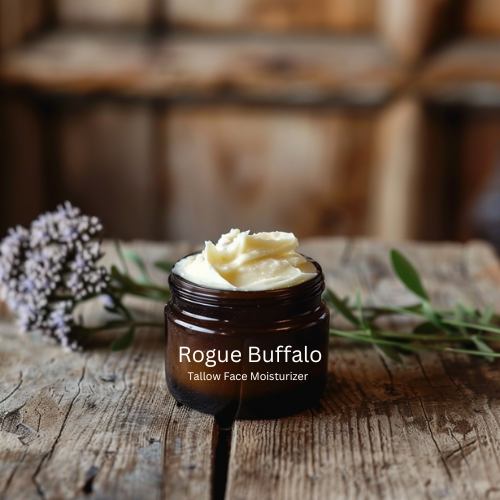
Tallow Face Moisturizers
When it comes to facial care, tallow face moisturizers are in a league of their own. Unlike water-based moisturizers that sit on the skin’s surface, tallow penetrates deeply, providing lasting hydration and nourishment.
[Insert Image: Before and after using tallow face moisturizer]
Grass-Fed Tallow Balm
Not all tallow is created equal. Grass-fed tallow balm is the crème de la crème of tallow-based skincare. Here’s why:
Higher nutrient content
Better fatty acid profile
Free from hormones and antibiotics
Tallow Balm for Sensitive Skin
If you have sensitive skin, tallow balm could be your new best friend. Its natural, minimally processed nature makes it less likely to cause irritation compared to synthetic products. Many users report reduced redness, itching, and inflammation after switching to tallow-based skincare.
How to Choose the Best Tallow Skincare Products
When shopping for tallow-based skincare, keep these factors in mind:
Purity: Look for products with minimal ingredients.
Sourcing: Opt for grass-fed, ethically sourced tallow.
Additional Ingredients: Check for complementary natural ingredients like essential oils.
Calculate Your Tallow Needs
DIY Tallow Skincare Recipes
Ready to try your hand at making your own tallow-based skincare products? Here’s a simple recipe to get you started:
Basic Tallow Balm Recipe
Ingredients:
1 cup grass-fed tallow
1/4 cup olive oil or jojoba oil
Essential oils (optional)
Instructions:
Melt tallow in a double boiler
Remove from heat and stir in olive oil
Add essential oils if desired
Pour into containers and let cool
Conclusion
Tallow-based skincare is more than just a trend – it’s a return to time-tested, natural skincare that works. Tallow-based products are worth exploring whether you’re dealing with sensitive skin, looking for deep moisturization, or simply want to embrace a more natural beauty routine. So why not give your skin the nutrient-rich goodness it deserves?
FAQ
Q: Is tallow-based skincare suitable for vegans?
A: No, as tallow is derived from animal fat, it’s not suitable for vegans. Plant-based alternatives like shea butter or coconut oil might be more appropriate.
Q: Can tallow-based products cause breakouts?
A: While tallow is non-comedogenic for most people, everyone’s skin is different. It’s always best to patch test new products.
Q: How long does homemade tallow balm last?
A: Properly stored, homemade tallow balm can last up to a year. Keep it in a cool, dark place for best results.
Q: Can I use tallow-based products if I have oily skin?
A: Yes! Tallow can actually help balance oil production in the skin. Start with a small amount and adjust as needed.
Q: Where can I buy grass-fed tallow for skincare? A: You can find grass-fed tallow at health food stores, farmers markets, or online specialty retailers such as RogueBuffalo.com.
My Journey with Tallow Face Moisturizers: A Natural Skincare Revolution
My Journey with Tallow Face Moisturizers: A Natural Skincare Revolution
Hey there, skincare enthusiasts! Today, I’m super excited to share my personal experience with the latest buzz in the beauty world – tallow face moisturizers. Yep, you heard that right – we’re talking about using animal fat on our faces! 😮 But before you run away screaming, let me tell you why this old-school ingredient is making a major comeback.
Quick Takeaways:
Tallow is beef fat that’s becoming popular in skincare
It’s packed with nutrients that can benefit your skin
Some people swear by it, but some dermatologists are skeptical
It’s not for everyone, especially if you’re vegan or have overly sensitive skin
What’s the Deal with Tallow?
So, what exactly is tallow? Simply put, it’s rendered animal fat, usually from cows. I know, I know – it sounds kind of gross at first. But hear me out! Our ancestors have been using tallow for centuries, not just for cooking but also for skincare. And now, it’s having a major moment in the spotlight.
The Science Behind the Hype
Here’s where things get interesting. Tallow is packed with good stuff for your skin, like:
Fatty acids that moisturize
Vitamins A, D, E, and K
Anti-inflammatory properties
Some people even say it’s similar to our skin’s natural oils. Pretty cool, right?
My Tallow Adventure
I’ll be honest – I was a little nervous to slather beef fat on my face. But in the name of beauty (and this blog), I decided to give it a go for 60 days. Here’s what I found:
A little goes a long way – you don’t need much!
It feels kinda greasy at first but absorbs quickly
My skin felt super soft and hydrated
I noticed a slight improvement in my skin tone
I grew up on a dairy and raised cattle until a few years ago. I’ve eaten tallow (when the family butchered a steer, we used everything) for years but had never used it as a body cream. Now, I love it! I use a peppermint blend in the morning and a lavender tallow face cream blend at night (manly… I know)! 🍪
What the Experts Say
Now, here’s where things get a bit tricky. While some influencers are raving about tallow, dermatologists aren’t totally sold. Dr. Muneeb Shah, a well-known dermatologist on social media, says that while tallow isn’t necessarily bad for you, there are better options out there. I say that thousands of years of safe use have proven that for most people, tallow face moisturizers are a great option for skin care.
The Tallow Trend in Numbers
To give you an idea of how popular tallow is becoming, check out this chart showing the increase in tallow-based skincare products on the market:
Is Tallow Right for You?
After my experiment and research, here’s my take:
If you’re into natural skincare and don’t mind animal products, it might be worth a try
If you have super sensitive skin or you’re vegan, you might want to skip it
Always do a patch test first!
FAQs
Q: Is tallow better than regular moisturizers?
A: It depends on your skin type and preferences. Some people love it, others prefer manufactured products.
Q: Will tallow make me break out?
A: It might, if you’re acne-prone. Everyone’s skin is different! Tallow is almost identical to sebum, the oily substance that keeps our skin from drying out.
Q: Is tallow environmentally friendly?
A: It can be, especially if sourced from grass-fed cows. But it’s not vegan-friendly. Tallow skincare products are the highest-available use for tallow.
The Bottom Line
Tallow face moisturizers are definitely an interesting trend in the skincare world. While they’re not for everyone, they could be a game-changer for some. As for me? I’m still on the fence, but I’m glad I gave it a shot!
Have you tried tallow skincare? I’d love to hear about your experiences in the comments below!
Remember, skincare is personal – what works for one person might not work for another. Always listen to your skin and consult a dermatologist if unsure. Here’s to happy, healthy skin! 🌟 “`